HomeInsightsCommissioning an Ad Video
How to commission an ad video in Tripoli, Libya
You need a commercial for a launch, or a series of reels for your pages, so you call a videographer or a production company. The first thing they ask is what you want, and your answer decides most of what follows: what gets filmed, in which language, in how many versions, and what you get at the end. This guide sets out how to commission an ad video in Tripoli, Libya, from the one-page brief you write before the first meeting to the deliverables you agree in writing.
Write a one-page video brief before the first meeting
A production house will usually ask what you want to shoot. Our approach to video production in Tripoli starts from a different question, and it is the first one you should answer: what does the strategy need this material to prove? Put your answer on one page with the points below.
The general points (the problem in one sentence, the audience, your brand files, a budget range) apply whoever you hire, and our guide to choosing a marketing agency in Libya explains each one. A video brief adds these:
The job of the video. Answer the strategy question in one sentence: what a viewer should know or do after watching. "People in Janzour should know our new branch is open" tells a crew what to film, while "raise awareness of the brand" leaves them guessing. A short video has room for one idea, so if your product has five selling points, pick the one this video is for and leave the rest to your posts and your website.
Where it will run. Every place it will appear: Instagram reels, a Facebook page, a screen in your showroom, a television slot, messages forwarded on WhatsApp. Each place sets a shape and a length, so the crew needs this list before it plans the shoot.
Length and versions. The length of the main video, the shorter cuts you need, and which versions are vertical and which horizontal. Framing for each shape is decided on the shoot day, and a vertical version planned from the start is far better than one cropped later out of a horizontal frame.
Language and speech. Arabic, English, or both; formal Arabic or Libyan dialect; a voice-over, people speaking to camera, or no speech at all. The script section below covers the choice.
What must appear. The product, the place, the people, the logo, and any line that has to be on screen, such as a phone number, an address, or the conditions of an offer. Add any photographs you need from the same shoot.
Two sign-offs. Name the person who approves the script before the shoot and the edit after it, and work backwards from the day the video must go live so each approval has time. Changing a script means editing a document; changing a film after the shoot can mean filming again.
Commercial, reel, or motion graphic: choose by where it runs
The list of places in your brief usually settles the format, because each format does a different job:
A brand commercial. A fully produced film built around one idea, for a launch or a television slot. It needs the most preparation: a script, locations, sometimes actors, a full shoot day. Plan its shorter cuts at the same time, since they come from the same footage.
Reels. Short vertical videos for the feed, usually built around a product or a place. They work as a running series rather than as single posts, so plan them with the rest of what your pages publish. Our page on social media management in Libya covers that side.
Motion graphics. Animated text and shapes, sometimes mixed with footage, for a message that needs explaining: an offer, a price, a process, the terms of a service. Unless you add new footage, there is no shoot day. The wording, though, must be approved before animation starts, because changing the words later means redoing the animation.
Script, voice-over, and on-screen text
If the video is in Arabic, write the script in Arabic from the start. A script drafted in English and then translated reads like a translation, and it sounds worse spoken aloud. If your team works in English, write the brief in English, ask for the Arabic script to come from someone who writes Arabic natively, and have a native speaker you trust read it aloud before you approve it.
Formal Arabic or Libyan dialect is a decision about the audience. Dialect sounds like everyday conversation and suits a light message to people in Libya. Formal Arabic suits an institution's official messages, and videos that will also be shown outside Libya. You can also combine the two: dialect in the voice-over, formal Arabic in the headline on screen.
Viewers without sound. Assume part of your audience will watch with the sound off, at work or anywhere else they cannot turn it up. Show the product or the brand in the first seconds, and put the main line on screen as text as well as in the voice-over.
Spelling on screen. On-screen text needs correct spelling even when the voice-over is in dialect. Agree how dialect words will be written, keep it the same in every version, and proofread each version before delivery: a spelling mistake on screen stays there as long as the video runs.
Subtitles. They let more people follow the video: viewers who do not understand the dialect, English speakers if the video is in Arabic, and people who are deaf or hard of hearing.
The voice. Before the recording, ask for a short sample of the voice reading your own script, and mark how names are pronounced, especially brand and product names in English, so you do not need a second session.
The shoot day: locations, people, and permissions
Ask for the shot list and the day's schedule a few days ahead, then check four things before the crew arrives:
Consent from everyone who appears. Anyone who can be recognized, whether staff, customers, or hired actors, should agree in writing to how the video will be used, on which channels, and for how long. If children appear, a parent or guardian gives that consent. Agree in advance who should not appear at all.
Access to the location. On your own premises, choose a time when the space can be closed or quiet. Anywhere else, such as a mall, a hotel, or a street, find out in advance whose permission you need, and have it in writing on the day.
The product, ready. Clean units in current packaging with correct labels, and spares in case one is damaged. Anything that will appear on a screen, such as an app or a price list, should show final, realistic content.
One decision-maker on set. One person from your side who approved the script and can answer on the spot. If every decision waits for a phone call, the day runs out before the shot list does.
Reviews and the list of deliverables
Before production starts, agree how many review rounds the price includes, and judge each cut against the brief rather than taste alone. Our page on content and video production explains how we handle revisions.
Then agree in writing on the files you will receive, because a version nobody listed at the start tends to become an extra charge at the end:
Every cut and shape. The main film, each shorter cut, and each vertical and horizontal version from your brief, as separate files with clear names.
A clean version. The film without on-screen text or subtitles, so you can correct the text, or make a version in another language, without filming again.
Subtitle files. A subtitle file for each language, as well as versions with the subtitles burned into the picture.
A master and lighter copies. A high-quality master to keep, and lighter files for each platform and for sending on WhatsApp.
Music and other rights. Ask where the music comes from, whether its license covers paid advertising on your channels, and for how long. The same goes for a hired actor or voice: their agreement should cover the uses in your brief.
Raw footage and project files. Agree in writing that the raw footage belongs to you, and how it will reach you. Settle at the same time who keeps the edit's project files, which an editor needs to change the cut later.
Examples from Pattrix's own production
Pattrix is a strategic communications and PR agency in Tripoli, Libya, with full production capability, and film, photography, and post-production are all in-house. A 34-second film on our clients page shows fourteen clients, each with the work we made for them, and you can play each client's scene separately. Three of our case studies cover the formats in this guide, and each shows the work itself:
A commercial and motion graphics. For Albaraka Insurance we produced an Arabic-language brand commercial (a cinematic production, shot in 4K) and two motion graphics from the campaign system: one on car insurance and one on insurance services.
A running series of reels. For Tripoli Optics, an optics retailer in Tripoli carrying premium eyewear brands, we produced a running series of in-store reels, shot around the product with editorial pacing. For the Joelle contact-lens line we also ran an art-directed studio photo session, from set design to final retouch.
A showroom reel. For Hyundai Libya, alongside the showroom identity system we designed, we made a showroom reel: a walk through the Hyundai showroom and its cars.
Related reading
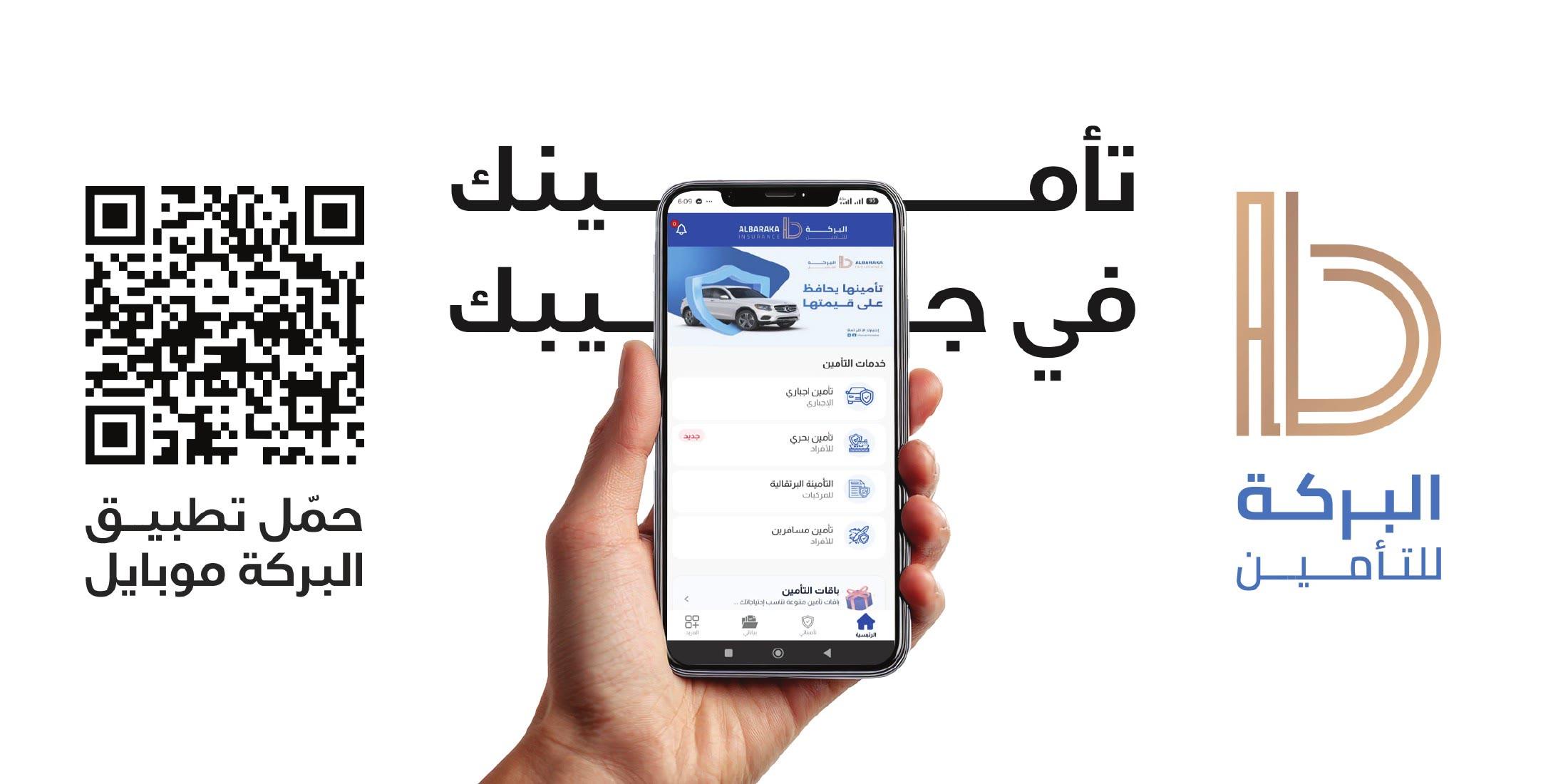
Albaraka Insurance — Commercial Campaigns
Commercial campaigns and brand visual direction for a Libyan insurance institution.
Read the case study

Tripoli Optics — Reels & In-Store Content
Reels, product photography, and in-store content production for an optics retailer in Tripoli.
Read the case study
- How to choose a PR agency in Libya
- How to choose a marketing agency in Libya
- What strategic communications means for Libyan institutions
- PR vs marketing: what businesses in Libya actually need
- Why campaigns in Libya fail without analysis first
- Before you hand over your company's pages in Libya: what to settle first
- Entering the Libyan market: a communications plan for your launch
- Ramadan campaigns in Libya: what to prepare and when
- How to brief the team covering your event in Libya
Bring us the one-page brief.
Send it from our contact page or by email, and we'll agree what the video needs to achieve before anything is shot.