
HomeInsightsPR vs Marketing in Libya
PR vs marketing: what businesses in Libya actually need
Businesses in Libya looking for outside help usually search for one of two things: a marketing agency or a PR agency. People use the terms interchangeably, but they do different jobs, and hiring the wrong one spends budget on the wrong problem. This guide explains the difference between public relations and marketing in Libya, walks through situations Libyan businesses face, and offers a way to decide what you need: marketing execution, public relations, or both under one strategy.
Two different jobs, in plain terms
Marketing builds demand. It puts a product, service, or offer in front of the people most likely to act on it, and gives them a clear reason to act now. Campaigns, social media content, launch promotion, and retail material all answer one question: why should someone choose you this month?
Public relations builds trust. It manages how your organization comes across when it speaks in public: media presence, announcements, and the way you respond when something goes wrong. It answers a different question: why should the public believe you at all?
Neither one is superior, and neither replaces the other, but they fail in the same way: both turn into noise. A promotion nobody was prepared to trust, or a press presence with nothing behind it to buy, is volume without a pattern.
| Marketing | Public relations | |
|---|---|---|
| Builds | Demand | Trust |
| Answers | Why should someone choose you this month? | Why should the public believe you at all? |
| Typical work | Campaigns, social media content, launch promotion, retail material | Media presence, announcements, responses when something goes wrong |
| Audience | Consumers choosing between offers | Media, institutions, partners, and regulators |
| Measured by | Sales, inquiries, and footfall this quarter | The stability of your reputation over years |
| Leads when you are | Launching a product or offer | Entering the market, or under public scrutiny |
Three situations businesses in Libya face
Launching a product or offer. This is mostly a marketing job: define the audience, build the campaign, produce the content, publish on a steady schedule. PR plays a part only if the launch says something about the organization itself that the public needs to hear.
Entering the market. A new company, or an international organization arriving in Libya, needs to be understood before it can be promoted. That calls for positioning and public relations first: who you are, why you are here, and why your word can be trusted. Marketing spend before that answer exists tends to buy reach without recognition.
A moment of public scrutiny. A complaint spreading online, a dispute becoming public, or a decision that needs explaining belongs to public relations. Turning up the marketing during such a moment makes it worse. What it calls for is a precise statement, a clear spokesperson, and consistency until the questions stop.
A short decision guide
Before choosing an agency, answer four questions. They tell you more than any pitch will.
Is the problem demand or trust? If people know you and believe you but are not buying, you need marketing execution. If people would buy but hesitate to believe you, or do not know what you stand for, you need public relations in Libya first.
How expensive is a public mistake? If a wrong word in public would damage your standing, as it would for financial institutions, health providers, and organizations with international partners, put public relations in place before any campaign runs.
What will you measure? Sales, inquiries, and footfall this quarter point to marketing. The stability of your reputation over years points to public relations. Decide which of the two your business depends on most.
Who is the audience? Consumers choosing between offers are a marketing audience. Media, institutions, partners, and regulators are a PR audience. Most established businesses in Libya speak to both.
Why many businesses need both, under one strategy
PR and marketing are separate in execution, but they need one strategy above them. A campaign that promises what the public record contradicts undermines both. A reputation with no commercial offer behind it earns respect and no revenue. What holds the two together is message discipline: the campaign material and the public statements are both derived from the same core message, and that message comes first.
In Libya's split media environment, this matters even more. Audiences see your promotion and your public conduct in the same feed, minutes apart. If the two do not match, the audience settles the contradiction for you, usually against you.
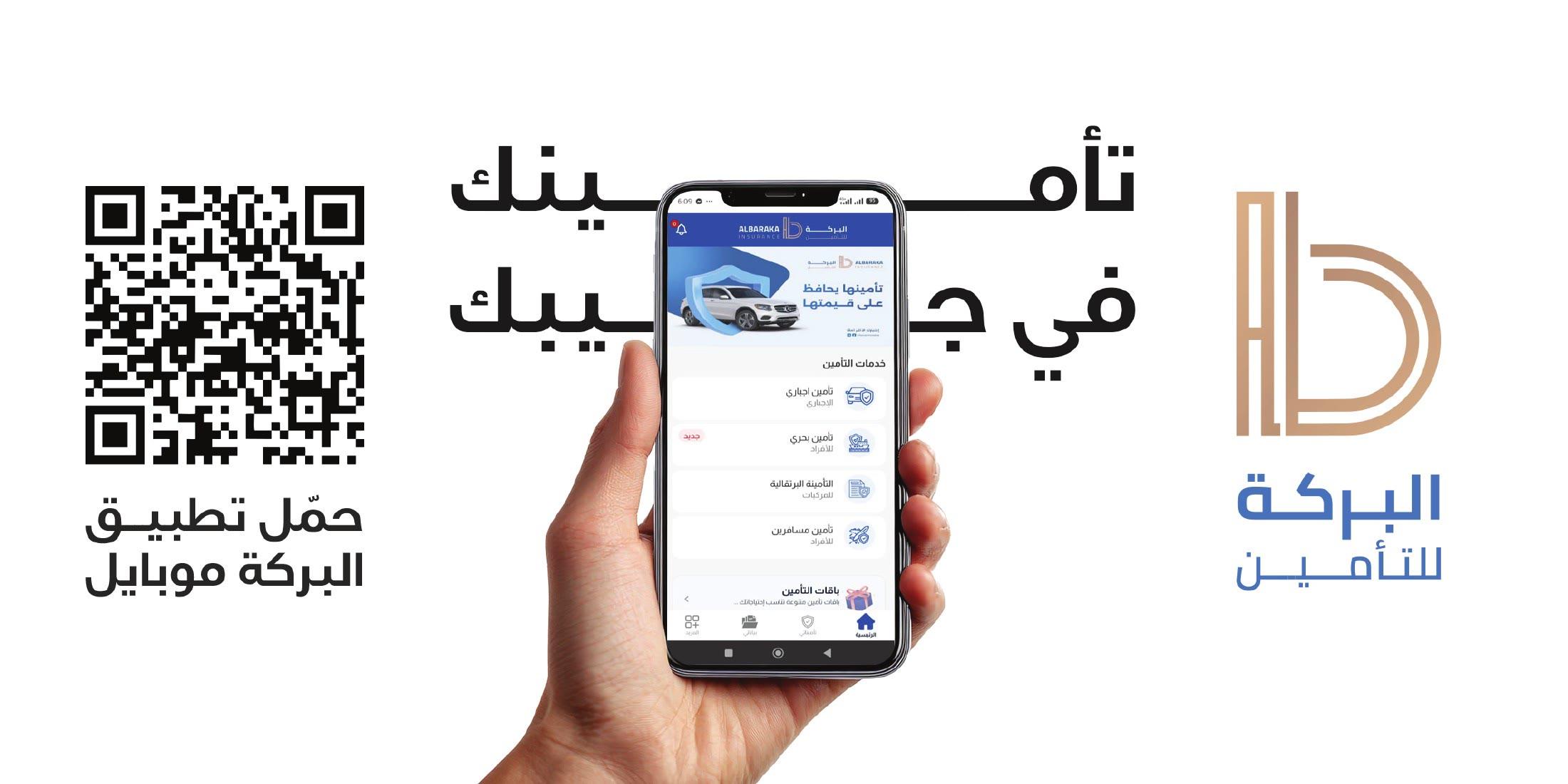
Our own work follows this logic. Albaraka Insurance needed its digital products and commercial offers to feel as trustworthy as the institution itself, so we produced its app promotion, direct campaigns, and branded print in one visual language. Selling rests on trust, even when nobody calls it that.
Where Pattrix stands
Pattrix is a strategic communications and PR agency in Tripoli, Libya, with full production capability, working with brands, institutions, and international organizations in Libya and abroad. In practice, the strategy defines the message, and marketing campaigns, public relations, social media, and content production carry it out in Arabic and English, all within the same team.
We take on marketing engagements, PR engagements, and combined ones. Every engagement starts with the question of which one you need, and if you only need one of the two, we will tell you.
Related reading
Not sure what you need?
Tell us whether your business needs demand, trust, or both, and we'll design the system that delivers it.