
HomeInsightsChoosing a PR Agency
How to choose a PR agency in Libya
Many organizations choose a PR agency in Libya once, under pressure, with little to compare against. The pitches sound alike, and the differences only show later, in public. This guide is a buyer's checklist: what public relations covers, what to evaluate before signing, the questions worth asking in a first meeting, and the red flags that should end the conversation early.
Why the choice is harder in Libya
Libya's media landscape is fragmented. Attention is divided among television, radio, a shifting press, and the social platforms where much of the country's public conversation takes place. A message that lands on one channel can vanish on another, and no single outlet reaches everyone. An agency working here cannot run a fixed media playbook. It has to keep reading the landscape and place each message where its audience will see it.
Many organizations in Libya also address two audiences at once: a local one in Arabic and an international one in English. The agency you choose has to keep one message steady in both languages. That is a writing skill in its own right, separate from translation.
What public relations covers
Before comparing agencies, be precise about what you are buying. Public relations is not advertising, and it is not posting. Done properly, it is one connected system:
Press relations. Working relationships with newsrooms and editors, sustained by material that is accurate enough to publish.
Media coordination. Managing how your organization appears in the media before, during, and after its announcements and events.
News coverage. Turning your real activity into precise material that editors can run as written.
Official statements. Institutional wording that still holds up once the public starts asking questions.
Campaign support. Connecting PR to the wider campaign so every statement, post, and appearance moves in one direction.
Six things to evaluate before you sign
Published work you can inspect. Ask for work that is public and attributable. If you cannot find a piece published anywhere, treat it as a claim.
Native bilingual capability. Arabic written from the start by professional Arabic writers. Read their Arabic before you sign, because audiences spot translated copy at once.
A method you can follow. You should be able to repeat their process back in one sentence: read the context, build one central message, place it, repeat it consistently. If they cannot describe the method plainly, expect the work to be vague too.
Media relationships built on material. Real press relations rest on giving newsrooms accurate, usable material. Relationships that depend on favors do not survive a difficult story.
Production under one standard. Statements need design, photography, and video around them. Ask who produces those materials and to what standard. Messages tend to drift in the handoffs between scattered vendors.
Honest measurement. Realistic indicators agreed before work starts: presence of the message in coverage, consistency across channels, quality of appearances. Anyone promising precise, impressive numbers up front is inventing them.
Questions to ask in the first meeting
A first meeting tells you more than a proposal does. Ask questions that cannot be answered with a slide:
"What would you advise us not to say?" A serious partner cuts before it adds. If they praise every idea you float, they are acting as a vendor rather than an advisor.
"Who writes our Arabic, and who writes our English?" Expect named people with defined roles. The strongest answer is one team writing both languages around one message.
"How will we know it worked?" Listen for realistic indicators and be wary of guarantees. A good answer also names what cannot be measured.
"Show us a message you kept consistent for months." Holding one message over time is the hardest part of this work, and the easiest to check in published material.
"Who exactly will work on our account?" The people in the pitch are not always the people on the work.
Red flags that should end the conversation
Invented numbers. Precise statistics about reach or sentiment with no verifiable source. An agency that invents numbers to win you will invent numbers to keep you.
No published work. Confidentiality explains one missing case study. It does not explain an empty public record.
No native bilingual capability. Copy that reads like a translation, in either language, means your message will not hold across both audiences.
Volume as strategy. "We will make you visible everywhere" is a promise about volume. Ask instead what will be repeated, and why.
Guaranteed coverage. No one controls independent newsrooms. An agency that guarantees placement is either describing paid content or misleading you.
How to judge proof
In this work, proof means published material you can find, read, and attribute. Look at a body of work rather than a single piece: does one organization sound like itself across months of statements and posts? Look at the standards behind it: has the agency worked for clients whose rules demand precision, such as international institutions? Then put the two languages side by side before you decide.
Pattrix is a public relations and strategic communications agency in Tripoli, Libya, with one team writing in Arabic and English. Our published work includes the United Nations Support Mission in Libya and the MUSIAD business network. We would rather you judge that work, and our public relations service in Libya, against this checklist than take our word for it.
Related reading
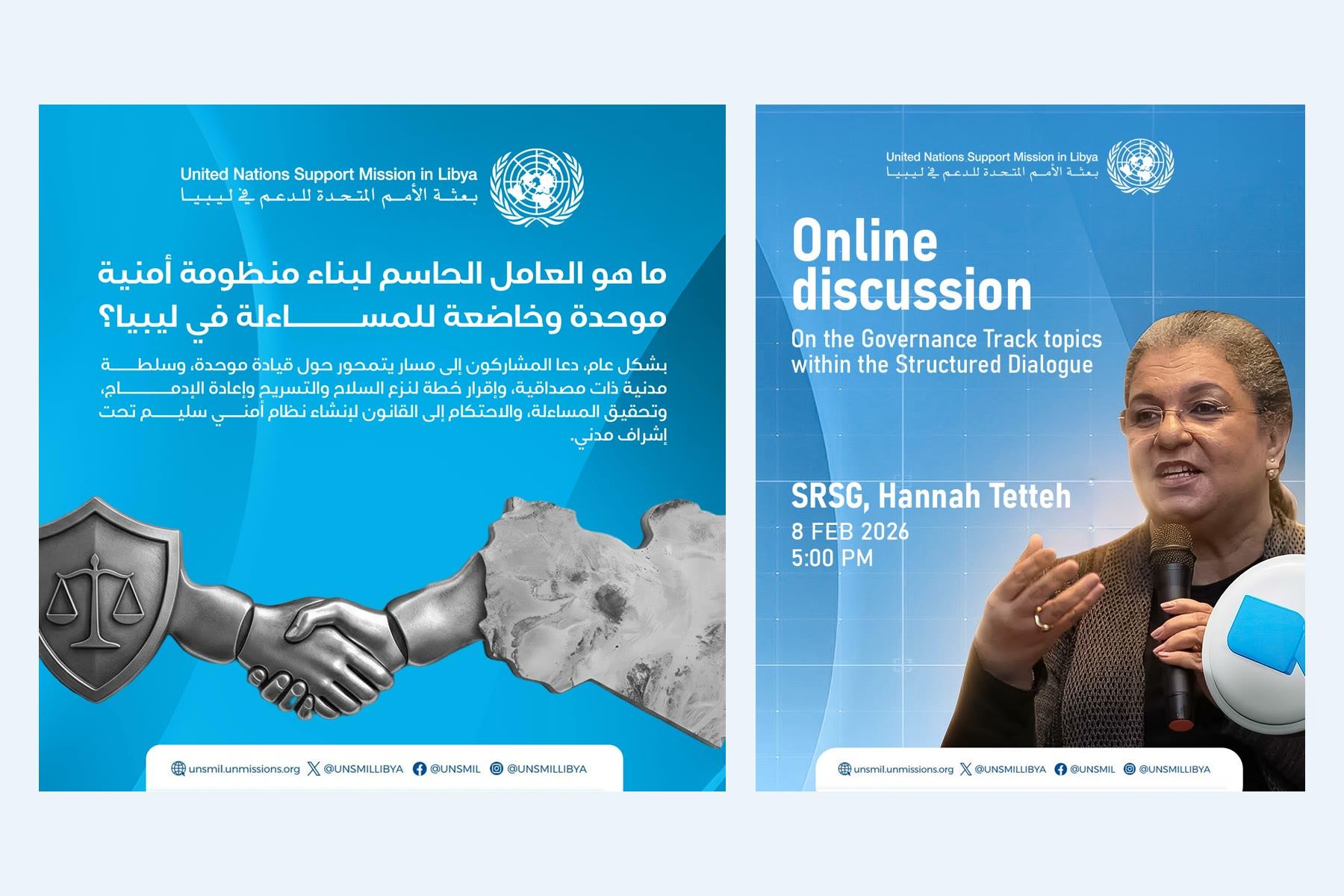
UNSMIL — Strategic Communications & Institutional Media
Institutional media and public-facing communication for the United Nations Support Mission in Libya.
Read the case study
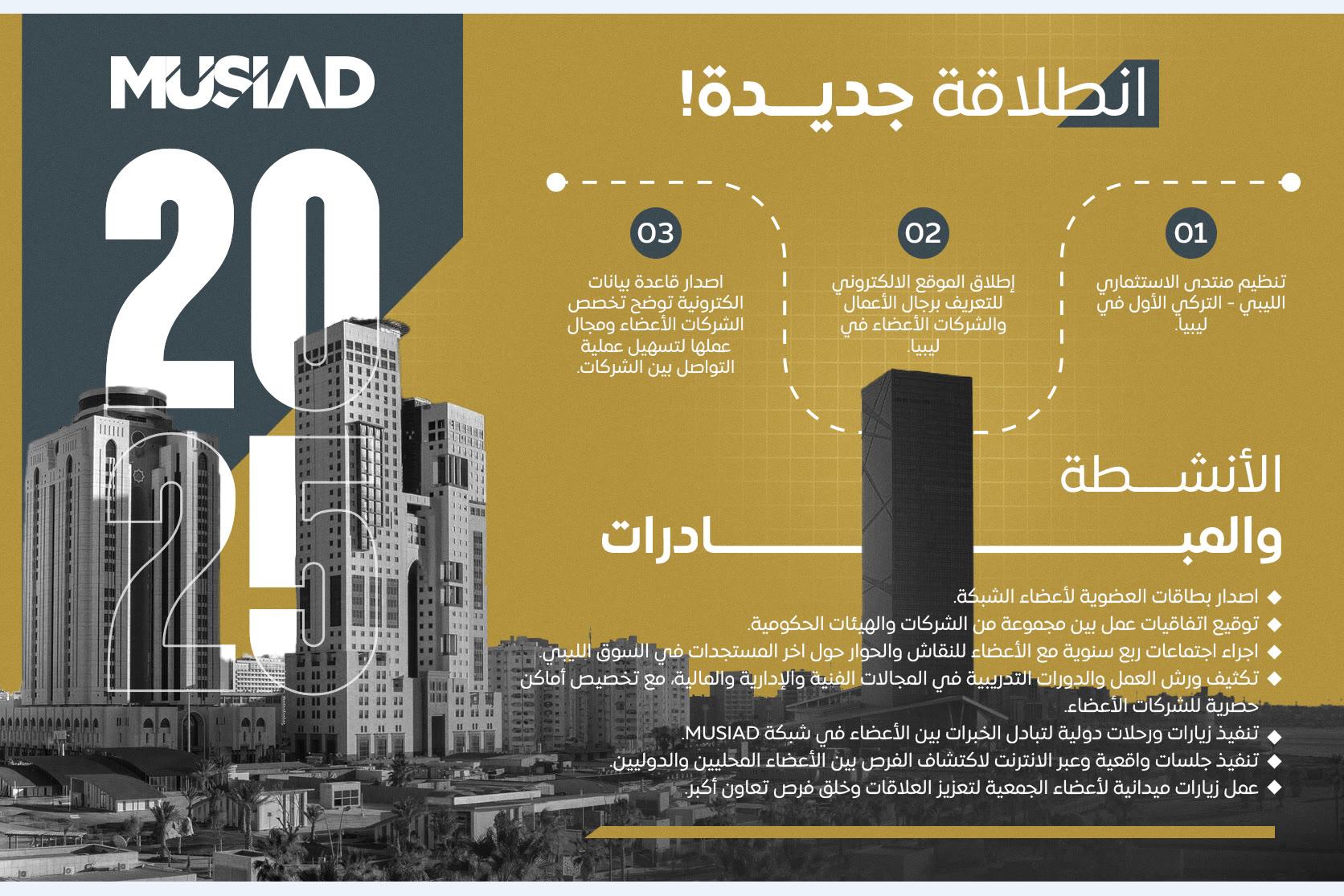
MUSIAD — Institutional Media & Events
Institutional media, event experiences, and strategic communications for the MUSIAD business network in Libya.
Read the case study
Put us through the checklist.
Bring these questions to a first conversation with us, and judge the answers against them.