HomeInsightsEntering the Libyan Market
Entering the Libyan market: a communications plan for your launch
A brand entering the Libyan market usually arrives with a product, a local partner, and a launch date. Customers here have no reason to trust it yet. This guide is a communications plan for the launch and the months after it: the message, your partner's showroom and staff, the Arabic, the order in which the news goes out, and what to watch once it is live. It ends with a checklist to work through with your team and your partner.
Start with why you are in Libya
A name nobody in Libya knows has to earn trust before advertising can do much for it. Our guide to PR vs marketing in Libya explains why entering a market calls for positioning and public relations in Libya before ad spend. If your company is already known here and is launching a new product, the job is mostly marketing, and our page on hiring a marketing agency in Tripoli, Libya covers it.
For a newcomer, the work starts with one sentence, written before any brief goes out: why you are here, and what a customer can hold you to. Check every script and every answer your staff will give against it, and rewrite anything that says something else.
Read the context before you brief the launch
Before anyone writes the launch brief, you need to know how Libyan media treat your category, which channels your customers follow, and what position you can credibly hold here. Our article on why campaigns in Libya fail without analysis first sets out what that reading covers, and our page on market and media analysis in Libya describes how we do it. Ours is communications analysis, not survey research or economic consulting.
Company registration and the terms of any agency or distribution agreement are legal questions, and this plan does not cover them. Take them to a lawyer in Libya before you sign.
Your local partner speaks for your brand
Foreign brands often reach Libyan customers through a local company: a distributor, an agent, or a partner that runs the showroom. For many customers, that company's premises and staff are the only part of your brand they will ever meet. They judge you by the sign over the door, the reception desk, the service area, and what a salesperson says when asked about the launch.
Treat the partner's spaces and people as part of the launch, and settle these points with the partner before the public hears anything:
The same identity in every space. The showroom floor, the workshop or service area, and reception should carry the same identity as your campaigns. Hold every branch to that standard, not only the main one.
A briefing for front-line staff. The people on the showroom floor and at the service desk hear customers' questions long before any journalist calls. Give them the one sentence and short answers to what every new brand gets asked, such as who stands behind the product and where customers go if something goes wrong. Tell them, too, who to call when they do not know an answer.
One version of the announcement. If the partner will announce the launch on its own pages or in its own ads, agree before launch day what it will say and who approves it. When two accounts announce one launch in two different ways, customers see two different companies.
Write your Arabic for Libyan readers
A brand that already advertises in Arabic elsewhere will be tempted to reuse that copy. Copy written for another Arab market, and above all copy in another country's dialect, tells a Libyan reader the campaign was made for someone else. A single Egyptian or Levantine word can give that away in the first line. Write the Arabic for Libya from the first draft, and write the English for the partners and international readers who will set it beside the Arabic.
Both versions should carry one message, as our article on strategic communications for Libyan institutions explains. Name one person to approve the Arabic for the launch and for everything published after it. Choose someone who reads Arabic natively, knows Libyan readers, and knows the sentence the launch is built on.
A launch order for newcomers to Libya
A newcomer to Libya has never appeared on a Libyan channel and has no spokesperson people here recognize, so the order of the first days matters more than usual. Our article on strategic communications for Libyan institutions also sets out the general rule for channel order: state the news first where it becomes the official record, then explain it, then keep repeating it at a rhythm you can sustain. For a brand in that position, the order looks like this:
Your partner's staff hear it first. A few days before the public announcement, brief everyone who will face customers, with the one sentence and the answers they will need. Staff who learn about a launch from a social media post improvise.
Then the official announcement. Decide before launch day which account is the official one, yours or your partner's, and publish the announcement there first, in Arabic, and in English if your audience needs it. Everything published afterwards should point back to it.
Then the explanation. Journalists and business partners will want to know what the announcement leaves out, starting with who you are and why you came to Libya. Prepare that material before launch day, and name one spokesperson who can answer in Arabic.
A launch event, if you hold one. Plan it as part of the announcement, with the program and coverage agreed before the room opens, so the event explains the launch to the people in the room and reaches the people who were not there. Our page on event coverage in Tripoli, Libya describes how we deliver an event and its coverage as one system. For the Libyan chapter of MUSIAD, an international business association, we delivered launch and program media, office and event branding, and coverage of its business gatherings.
Promotion comes last. Once the official record and the explanation exist, the campaign and any paid ads repeat the one sentence. An ad that points to an announcement people can check carries more weight than one that stands alone.
After launch: what to watch and how to adjust
Agree the indicators with your partner before launch day, and from the first day keep a note of who picked up the announcement and what people asked. Our article on why campaigns in Libya fail without analysis first also covers which indicators to choose and how a campaign readout decides the next phase.
For a new brand, one useful signal costs nothing: the questions your partner's staff hear each week. If customers keep asking what your one sentence already answers, it has not reached them yet. When they start repeating it back, it has.
A launch checklist for Libya
Go through it with your partner before launch day, and again a month after. It assumes you have already read the context and taken the legal questions to a lawyer in Libya.
Launch communications checklist for a brand entering Libya
| Before launch | At launch | After launch | |
|---|---|---|---|
| Message | One sentence: why you are here and what customers can hold you to | Every script and staff answer matches it | Customers start repeating it back |
| Local partner | Showroom, workshop, and reception carry one identity; staff briefed | Staff answer customers with the one sentence | A weekly look at the questions staff hear |
| Arabic and English | Arabic written for Libya; one named approver | One message in both languages | Everything new goes through the same approver |
| Announcement | Official account chosen; spokesperson named | Official record first, then explanation, then promotion | A publishing rhythm you can sustain |
| Measurement | Indicators agreed with your partner | A note of who picked up the news and what people asked | A readout decides the next phase |
Where Pattrix stands
Pattrix was founded in Tripoli, where public statements are read closely and remembered. We are a strategic communications and PR agency with full production capability, and our page on strategic communications in Libya describes the system we design for brands and institutions in Libya and abroad: positioning, message architecture, campaign structure, and delivery. We write Arabic natively rather than translating it, and keep the message consistent across both languages.
We can plan a launch event as well as cover it, and our guide explains how to brief the team covering your event. We are based in Tripoli and work across Libya, and we deliver work for clients beyond Libya when engagements require it. Paid media buying is not on our published service list, so if your launch includes paid ads, decide early who will run them.
Every engagement with us starts with a working session where we understand what your organization needs its audience to understand, and we present a clear strategic direction before anything is produced. This plan is our advice, not a record of market entries we have run. Neither case study below describes a market entry. The Hyundai Libya case is about a global automotive brand that needed its showroom, workshop, and reception in Libya to carry its identity as consistently as its campaigns do. We designed the showroom identity system, and the result is a branded retail environment where every surface uses one visual language.
Related reading
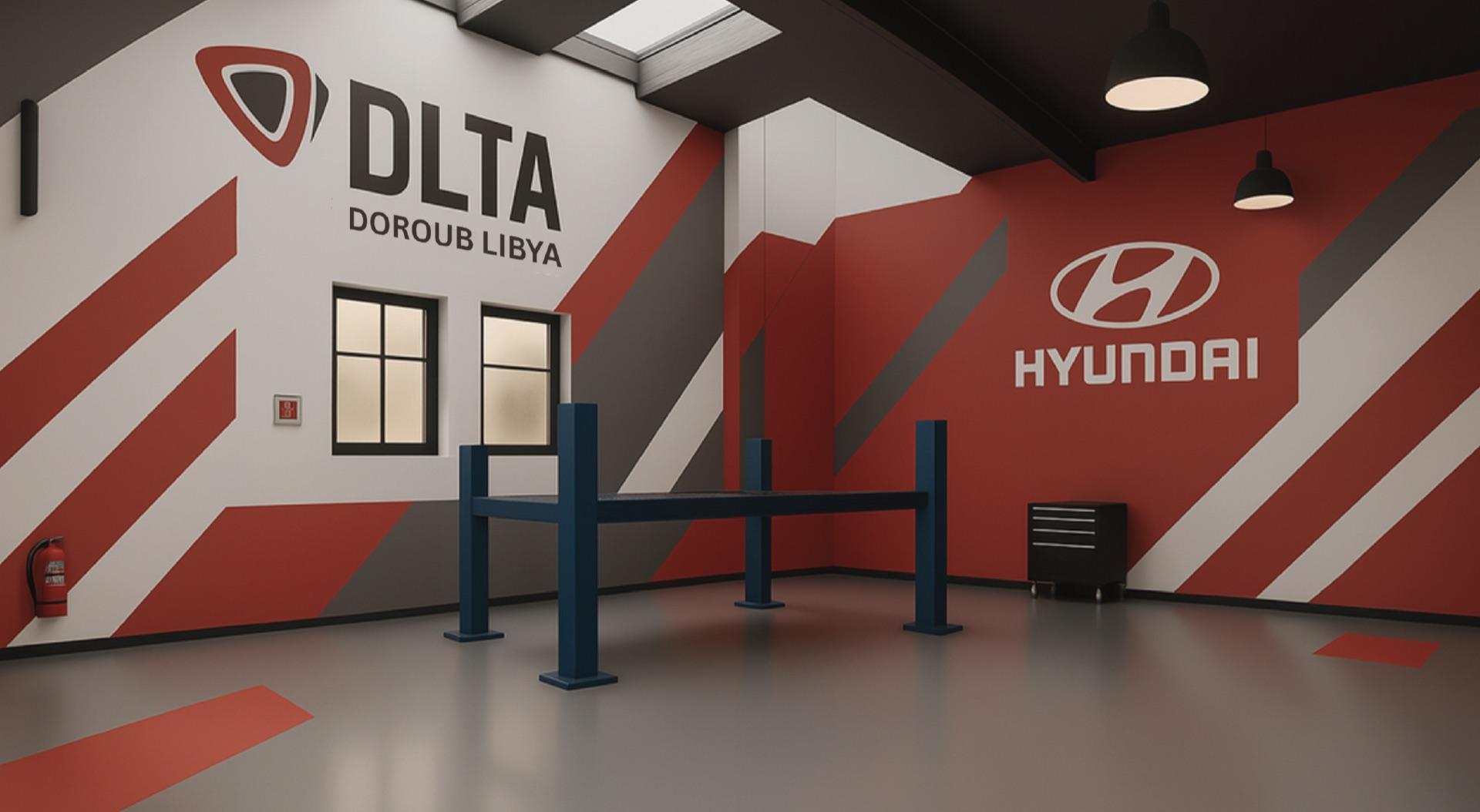
Hyundai Libya — Branding & Showroom Identity
Branding, showroom identity, and campaign visuals for Hyundai's Libyan operation.
Read the case study
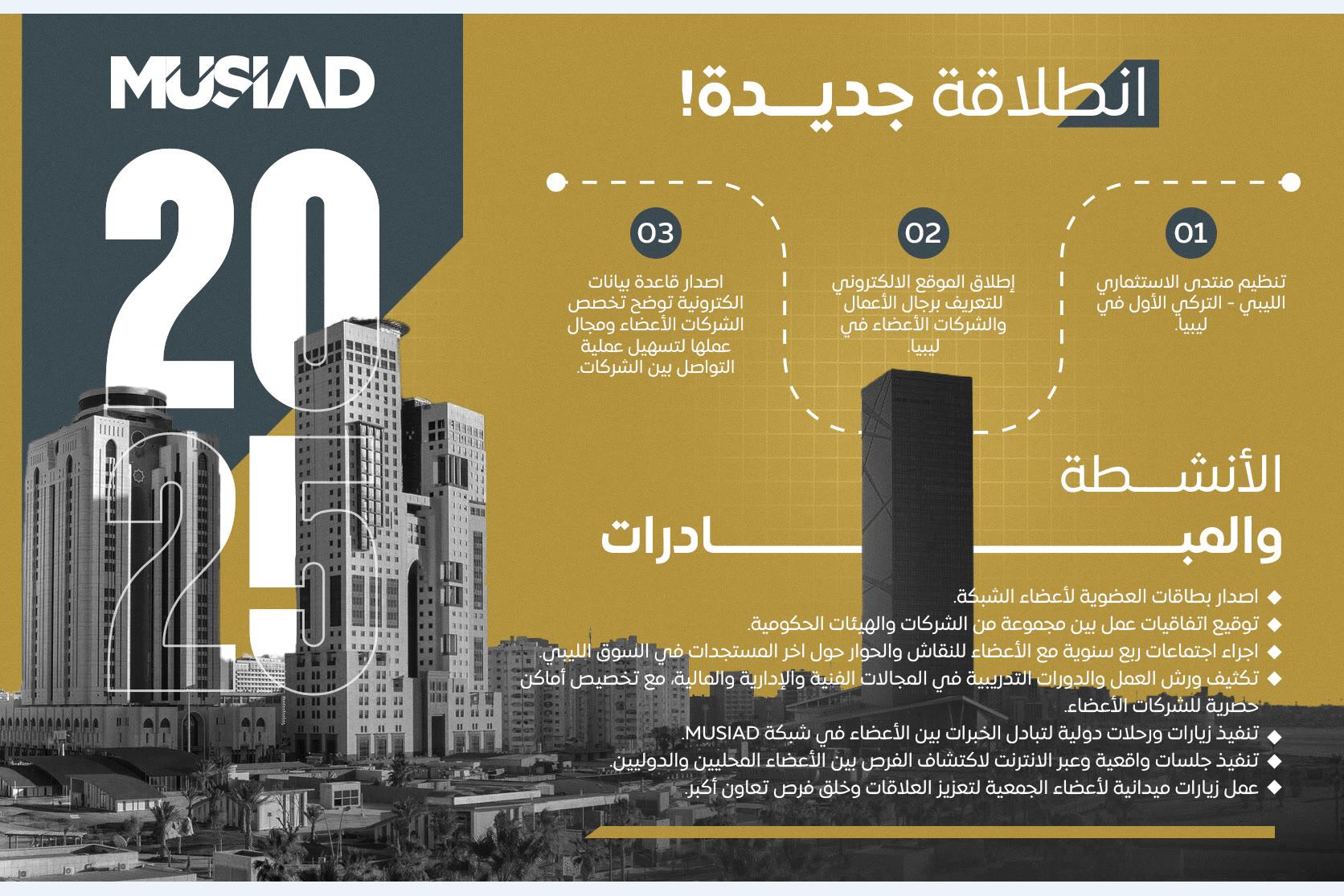
MUSIAD — Institutional Media & Events
Institutional media, event experiences, and strategic communications for the MUSIAD business network in Libya.
Read the case study
- How to choose a PR agency in Libya
- How to choose a marketing agency in Libya
- What strategic communications means for Libyan institutions
- PR vs marketing: what businesses in Libya actually need
- Why campaigns in Libya fail without analysis first
- Before you hand over your company's pages in Libya: what to settle first
- How to commission an ad video in Tripoli, Libya
- Ramadan campaigns in Libya: what to prepare and when
- How to brief the team covering your event in Libya
Planning a launch in Libya?
Send us the sentence you want Libya to remember about your brand, and we'll start with a working session.